Journal
Silver-infused sheets: what the science actually says
The silver is real, the mechanism is real — and the honest benefit is much smaller than the marketing. Here's where the evidence draws the line.

By Sam Winters
Review Editor
Last updated
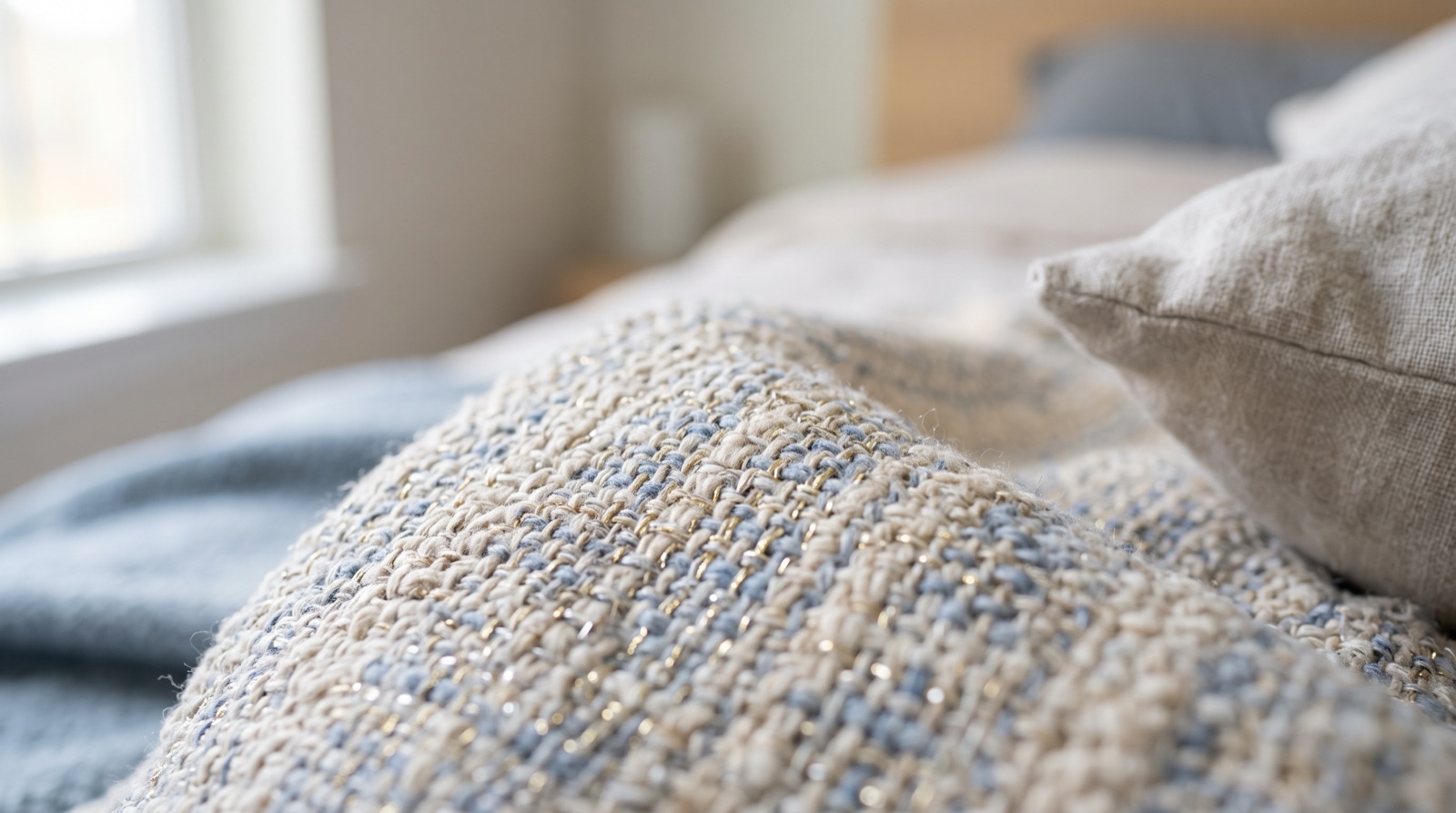
What does silver in fabric actually do?
Peer-reviewed materials science is clear on the mechanism: silver in textiles releases silver ions, which interfere with bacteria living in the fabric. Fewer bacteria metabolising your sweat means less of the smell they produce — that's the genuine, documented benefit: fabric that stays fresher between washes.
It is a fabric benefit, though, not a health one. And it depletes: controlled laundering studies measured silver-coated fabrics losing roughly half to three-quarters of their silver over twenty washes, with constructions that embed silver inside the fibre retaining far more.
Why can't silver sheets claim to protect you?
Because US regulation forbids it. Under the EPA's treated-articles rules, a product like a sheet may claim to protect itself — the fabric — from microbes. The moment it claims to protect people, it's making a public-health pesticide claim that requires registration the bedding never has.
The leading silver-sheet brand's own footnote respects exactly that line, stating its finish protects the fabric from odour-causing bacteria and 'does not protect users against bacteria or other disease organisms'. When the fine print and the regulator agree, believe them over the headline.
Has anyone tested silver textiles clinically?
Yes — and the result is sobering. A 52-week randomised controlled trial in 159 patients with a skin condition found silver-coated textiles performed no better than standard ones. A separate systematic review of functional textiles reached similarly cautious conclusions.
So the honest buying logic: choose silver bedding as a good sheet with a freshness bonus, priced accordingly — our full review assesses the leading example on exactly that basis, returns policy and all.