The thread-count myth, in two minutes
The most famous number in bedding is a counting convention, not a quality score.

By Sam Winters
Review Editor · 2 min read
Last updated
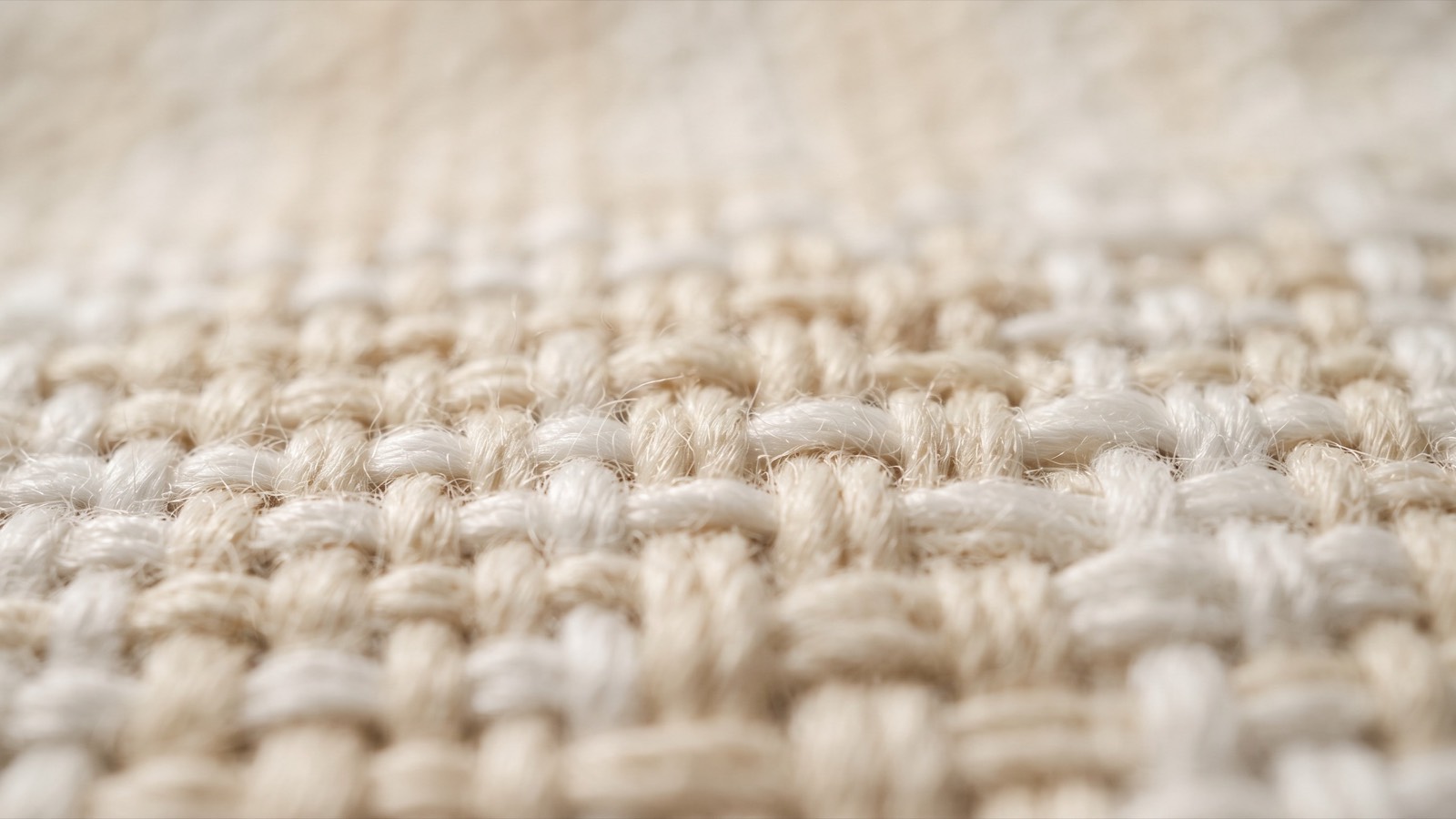
Thread count is yarns per square inch — warp plus weft, and there's a standardised test method for counting them. The marketing problem starts when a yarn spun from multiple thin plies gets counted as multiple threads: the number doubles or triples while the fabric, if anything, gets denser and heavier. That's how four-figure counts appear on fabric no better — sometimes worse — than an honest 300.
What this page answers
- What does thread count actually measure?
- How do four-figure counts happen?
- What range should you actually shop in?
- Which variables matter more than the count?
What thread count is actually good?
Most well-made cotton lives between roughly 200 and 400. Our top-pick sheet set sits at 300 — squarely in the honest range.
Is 1000 thread count better than 400?
Usually it just means multi-ply yarns counted per ply. Expect heavier, denser fabric and a bigger price — not better sleeping.
What should I check instead?
Fibre (long-staple cotton or linen), then weave (percale vs sateen), then weight and feel. The count is a tiebreak at best.
Does high thread count sleep hotter?
Denser fabric can move less air, so extreme counts can work against a hot sleeper — the opposite of what the premium implies.
Why does the number inflate so easily?
Because the count depends on what you call a thread. Weave two-ply yarns and count each ply, and 300 becomes 600 with no change at the loom. The measurement standard itself (ASTM's woven-fabric count method) is precise about counting — marketing simply isn't bound by it in a shop listing.
The practical rule: treat any count above ~600 as a flag to read the fibre and weave more carefully, not as a promise of luxury.
So how did 300 become the honest sweet spot?
At around 200–400, quality long-staple cotton weaves into fabric that's fine, durable and breathable at once — below it fabrics can feel coarse, far above it they mostly gain weight and marketing. That's why the count on our recommended set gets a shrug in the review while the fibre and weave get the attention: the number is fine; it's just not the story.
What does thread count really count?
The ply-counting trick illustrated in under a minute.
Check priceFrequently asked questions
Is thread count a scam?
The measurement is real; the inflation is the trick. Counting each ply of multi-ply yarn turns modest fabric into four-figure marketing.
What's the minimum acceptable count?
Around 200 in quality cotton weaves perfectly good percale. Below that, examine the fabric more carefully.
Do hotels use high thread counts?
Hospitality bedding typically prioritises durability and laundering economics — moderate counts in hard-wearing weaves — which says something about where the practical sweet spot sits.
Does weave change how a count feels?
Completely — 300 in crisp percale and 300 in smooth sateen are different pillows-to-cheek experiences from identical numbers.
Should the count decide between two sets?
Only after fibre, weave and returns policy have tied — which they rarely do.
Counting done — ready to shop on the real variables?
Fibre, weave, weight, returns. Get those four right and the count takes care of itself — the roundup applies exactly that order to the sets we've assessed.
Check priceSources
- 1.ASTM D3775 — Standard Test Method for End (Warp) and Pick (Filling) Count of Woven Fabrics — ASTM International, 2017
- 2.Miracle Sheet Set — specification (300 thread count) — Miracle Brand, 2026